

Condensation Inside Windows In Florida: Normal or a Red Flag?
Noticing condensation inside your windows? In Florida’s humid climate, moisture on window glass isn’t always a problem, but fog trapped between the panes could point to a failed seal. Learn how to tell the difference, what foggy windows could mean for your home, and what Pensacola homeowners should consider before replacing older windows, including how new impact-rated windows may factor into a Wind Mitigation Inspection.
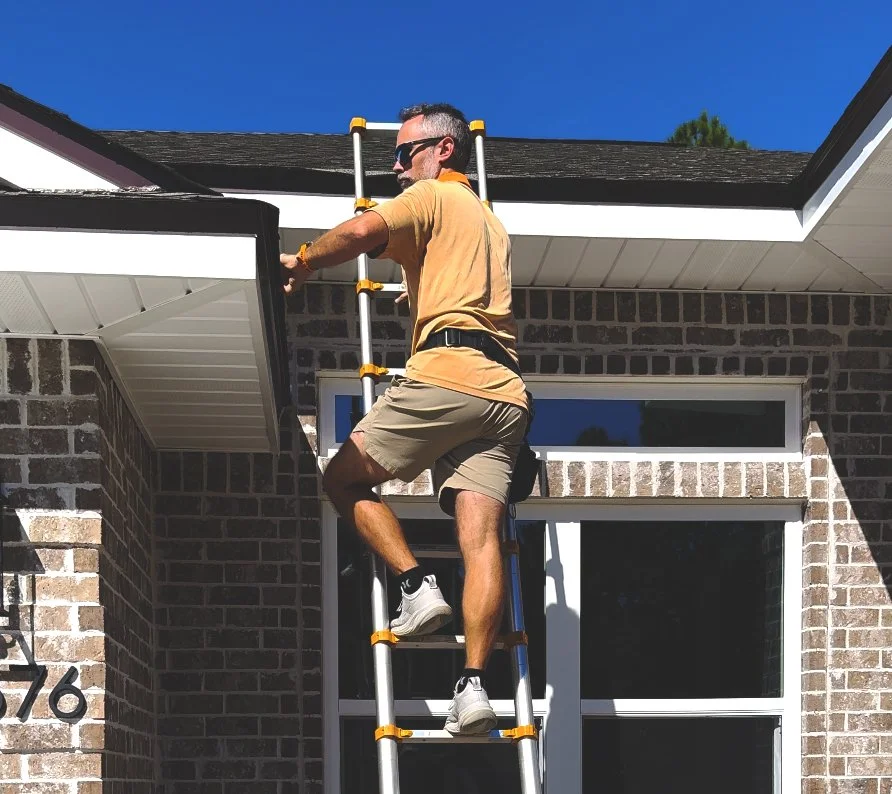
Wind mitigation inspections in Florida: a homeowner's guide
Learn what Pensacola homeowners can expect from a wind mitigation inspection, potential insurance savings, what inspectors look for, and how to make sure you receive the credits you qualify for.
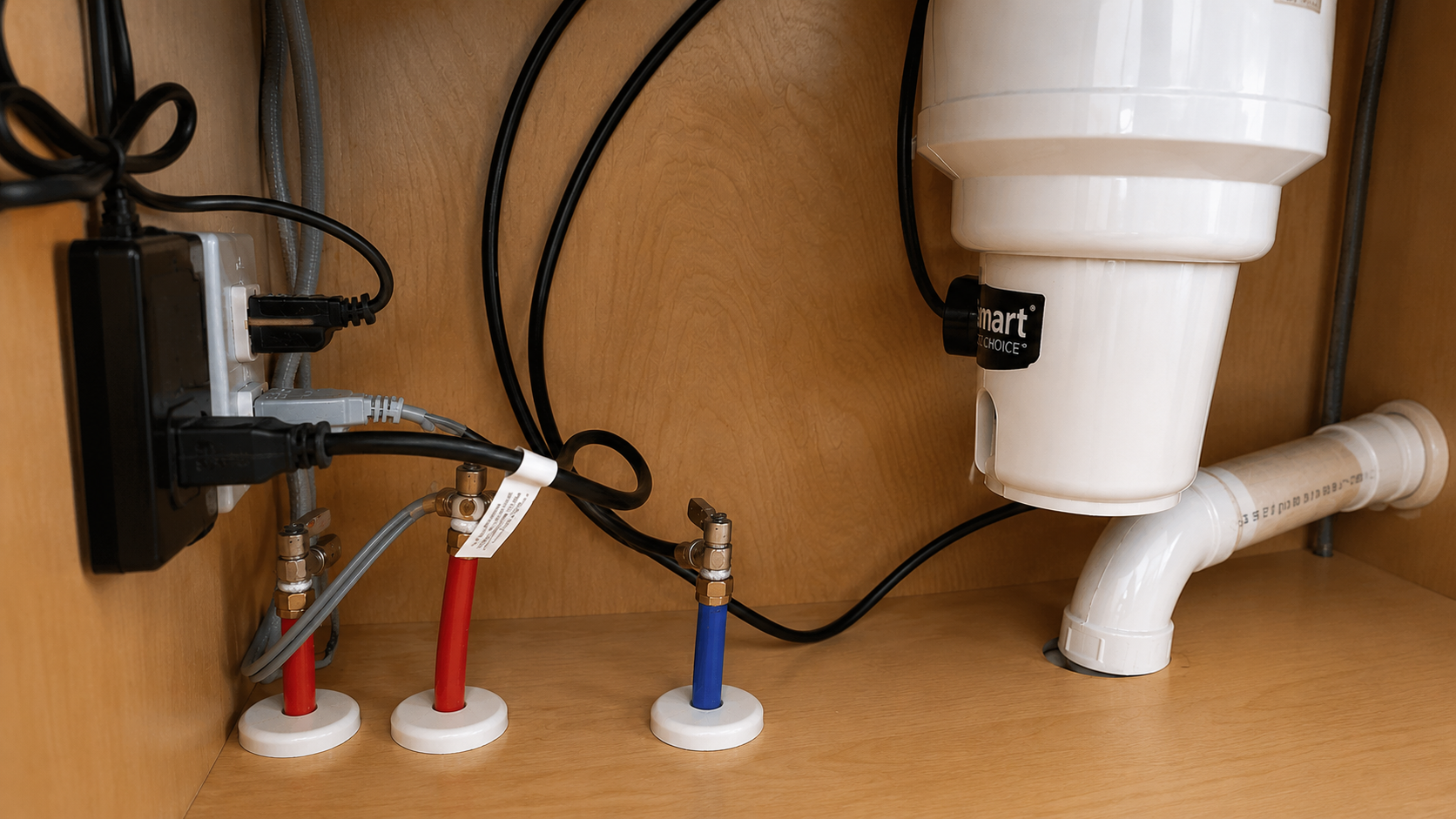
4-Point Inspection vs. Home Inspection: What's the Difference?
A 4-point inspection and a full home inspection serve different purposes. Here's how they differ, and how to know which one you actually need.
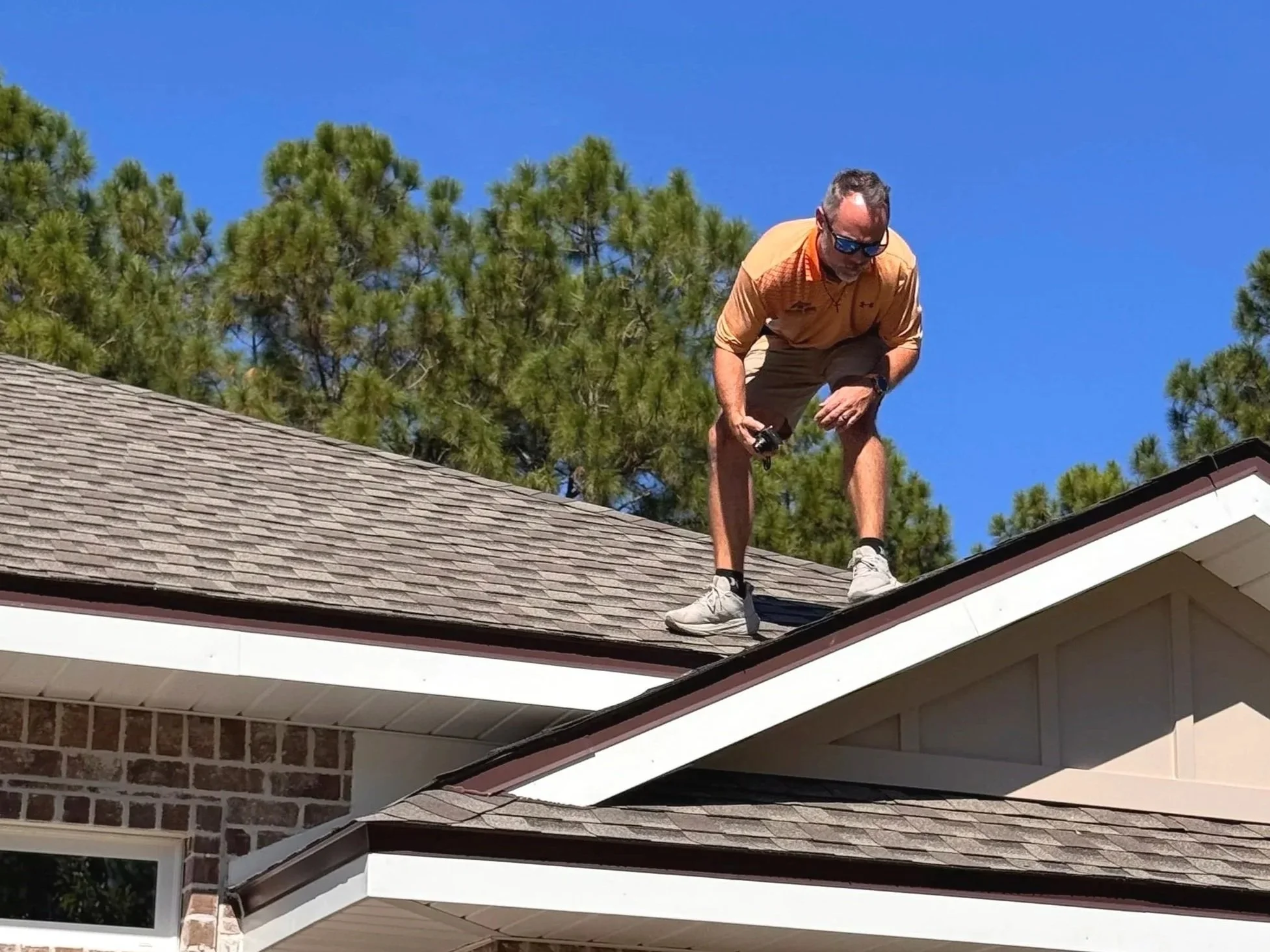
What Is a 4-Point Inspection in Florida?
A 4-point inspection covers your roof, electrical, plumbing, and HVAC systems, and Florida insurers often require one before approving coverage. Here's what to expect.

Denied or Dropped Coverage? How an Inspection Could Help Reinstate Your Policy
If your Florida homeowner’s insurance was denied, dropped, or not renewed, getting a new 4-Point Inspection or Wind Mitigation Inspection can often help you regain coverage or qualify with a different insurance carrier. Updated insurance inspections provide accurate, current documentation of your home’s roof, plumbing, electrical, HVAC, and wind-protection features, correcting outdated information, verifying completed repairs, and speeding up the approval or reinstatement process in Florida’s strict insurance market.
Florida Winter Homeowner Checklist: What to Do Before Cooler Weather Arrives
Prepare your Pensacola home for the cooler winter season with this essential Florida homeowner checklist, covering everything from roof maintenance and HVAC preparation to protecting outdoor pipes during Gulf Coast cold fronts. These winter home maintenance tips help Florida homeowners prevent weather-related damage, stay ahead of insurance requirements, and keep their property safe and storm-ready all season long.
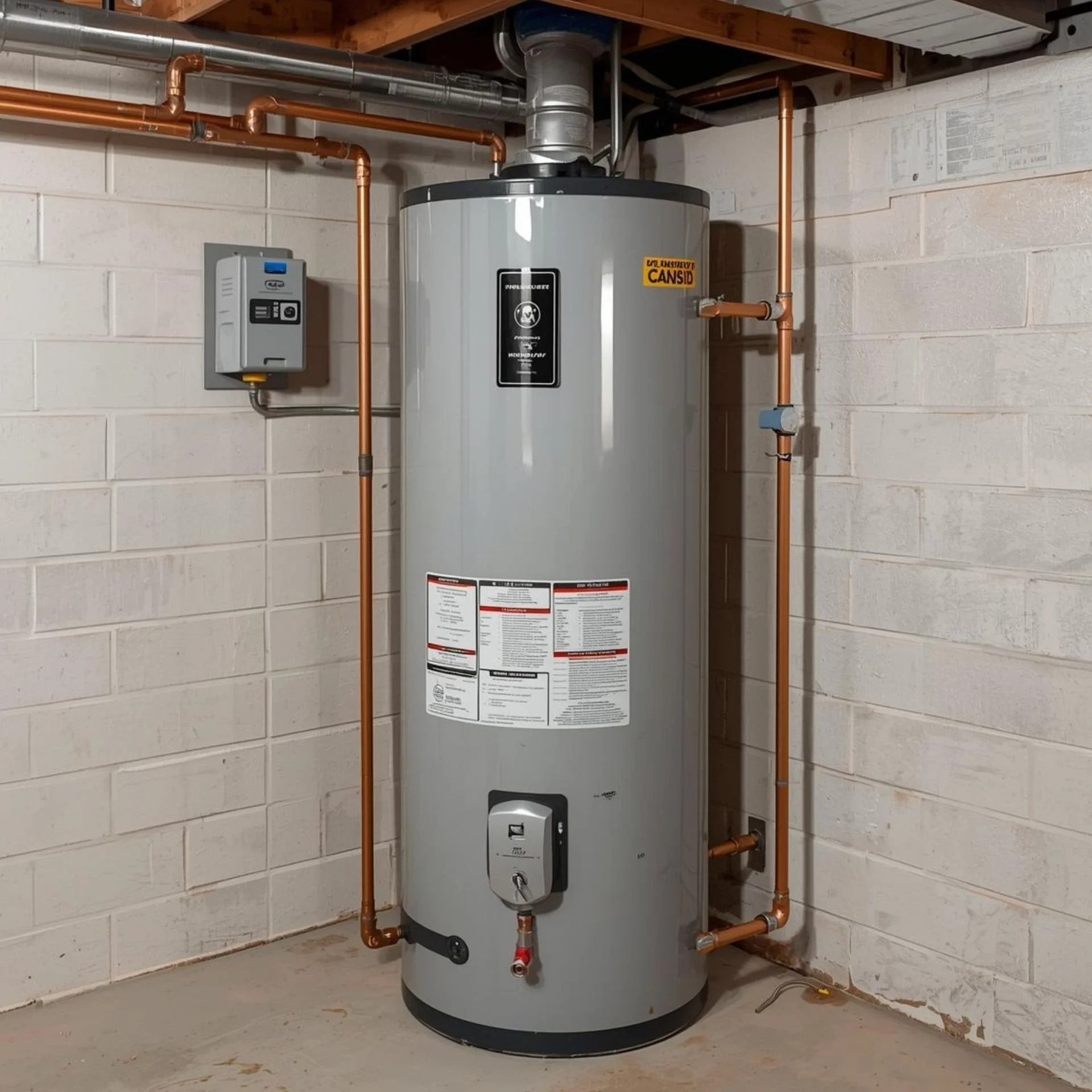
Why You Should Get a New Insurance Inspection After Replacing Your Water Heater
Replacing your water heater can help lower your Florida homeowner’s insurance premium, especially if your previous 4-Point Inspection listed outdated plumbing, an aging water heater, or conditions that no longer reflect your home’s true risk. Updating your 4-Point Inspection after the replacement provides insurers with accurate documentation, helps prevent coverage or renewal issues, and may qualify you for more insurance carrier options, discounts, and better rates across Florida’s tightening insurance market.

A Florida Homeowner’s Christmas Checklist: Keep Your Home Safe & Holiday-Ready
Prepare your Pensacola home for the holiday season with this essential Florida Christmas homeowner checklist, designed to keep your home safe, storm-ready, and energy-efficient. From inspecting outdoor lights and checking your roof after Gulf Coast cold fronts to updating insurance inspections and protecting your home while traveling, these tips help Florida homeowners stay prepared during winter and renewal season.
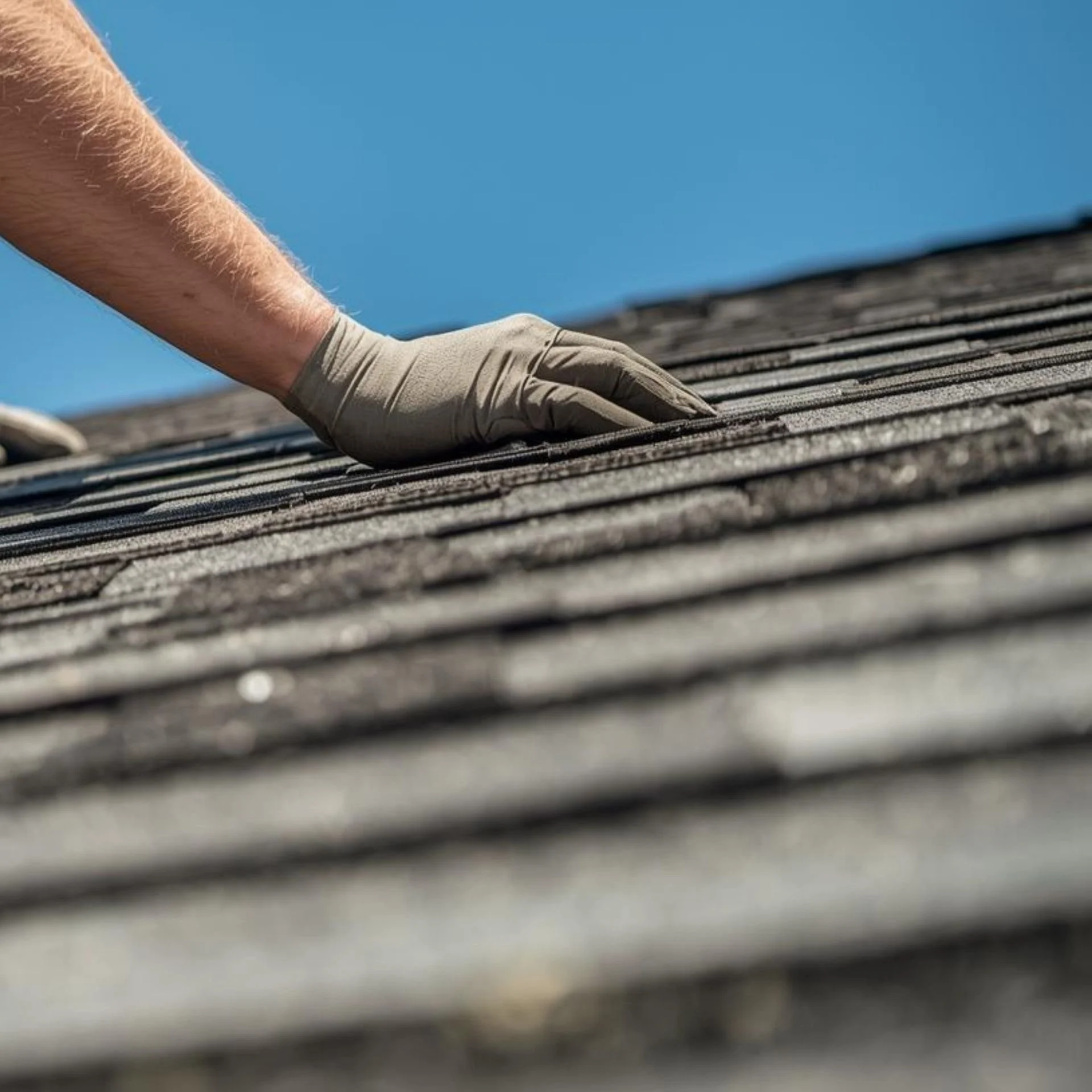
Common Issues Found During Insurance Inspections (and How to Fix Them)
Most Florida homeowners don’t realize how common problems like roof wear, outdated electrical panels, plumbing issues, or aging HVAC systems can affect insurance approval or premiums. This guide explains the most frequent issues found during 4-Point and Wind Mitigation inspections, and the simple fixes that help you stay covered or before an inspection.

Buying an Older Home? Here’s Why You’ll Need a 4-Point and Wind Mitigation Inspection Before Closing
Buying an older home in Florida often comes with extra insurance requirements — including a 4-Point Inspection and, in many cases, a Wind Mitigation Inspection. These two inspections help your insurance company confirm the home is safe, storm-ready, and eligible for coverage before closing. In this post, we break down what each inspection includes, why they matter, and how they can save you time, money, and headaches during the homebuying process.